Best Time to Visit Korea from Malaysia (2026 Guide: Seasons, Itinerary & Prices)
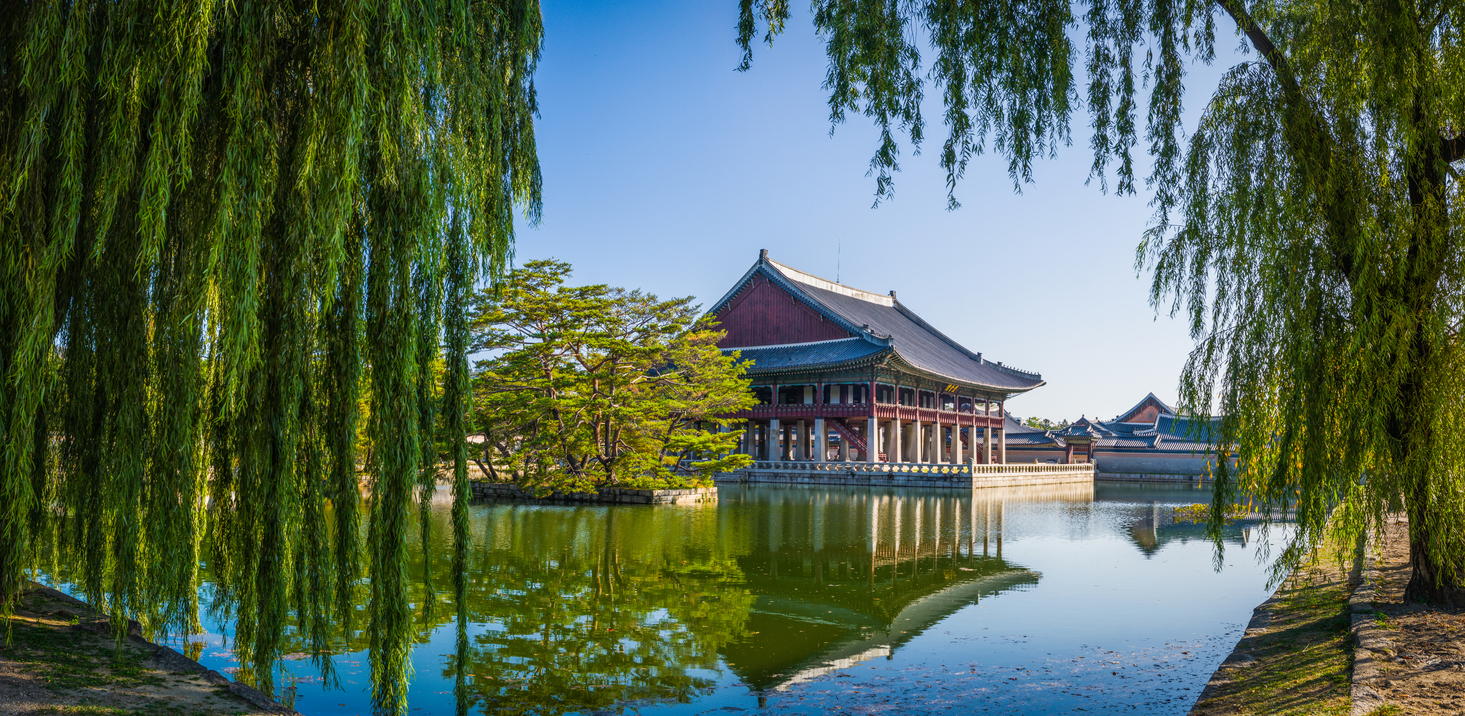
The best time to visit Korea from Malaysia is autumn (late September to November) for foliage and comfortable weather, followed by spring (April to early May) for cherry blossoms. Winter (December to February) suits snow and ski lovers, while summer is the cheapest but hottest and wettest. Below is a month-by-month breakdown, an 8D6N Seoul–Busan itinerary that works in every season, and what a Korea tour package from Malaysia typically costs.
Spring in Korea: Cherry Blossoms (Late March – Early May)
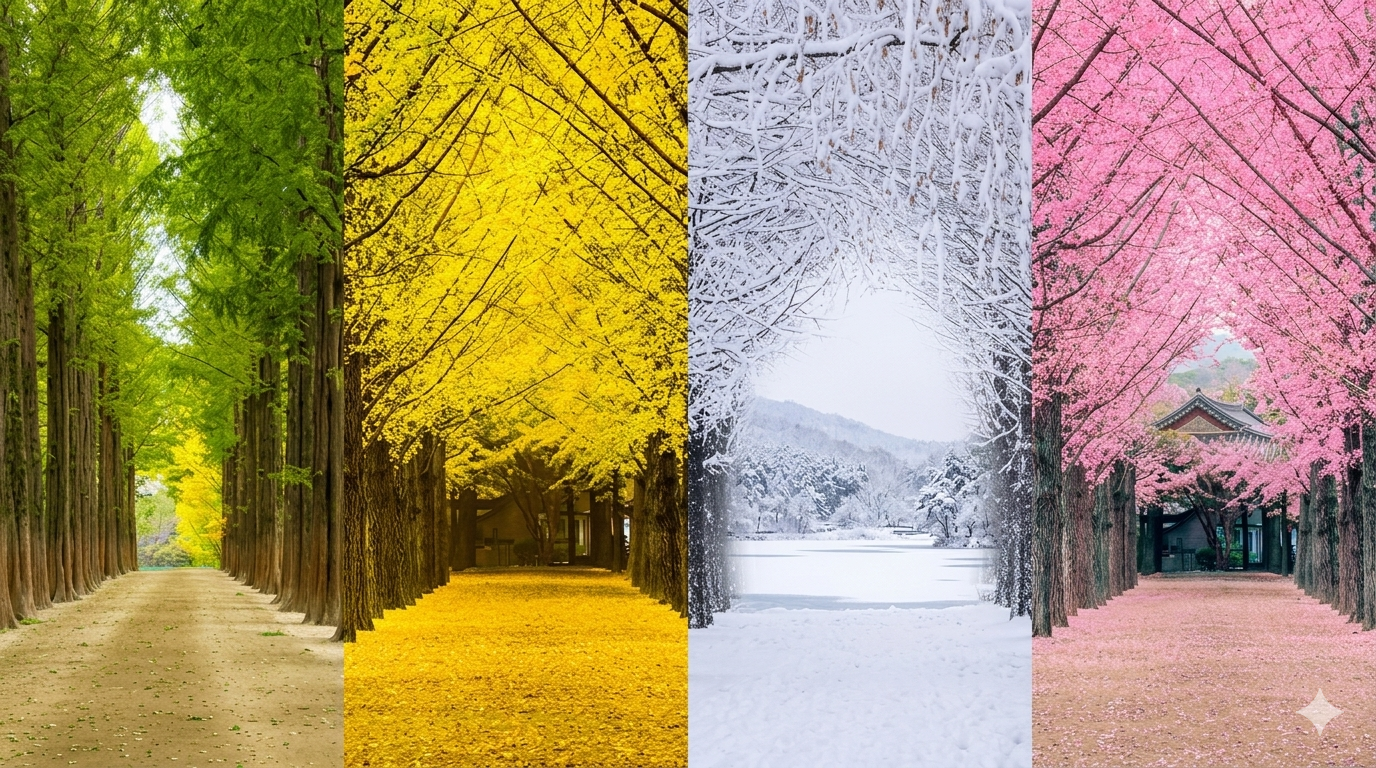
Spring is the second most popular season for Malaysians visiting Korea — and for good reason. After months of grey winter, the country bursts into pink and white, and temperatures sit between 10°C and 20°C, which feels like permanent air-conditioning to anyone from Kuala Lumpur.
Cherry blossom timing:
- Jeju Island: late March
- Busan and the south: late March to early April
- Seoul: early to mid-April
Top viewing spots include Yeouido Park and Namsan in Seoul, Jinhae's Gunhangje Festival (Korea's biggest cherry blossom festival), and Bomun Lake in Gyeongju. If blossoms are your priority, book departures in the first two weeks of April — the window moves by a few days each year depending on winter temperatures.
Spring is also festival season: temple-stay programmes reopen, palaces extend evening hours, and strawberry picking (December to May) overlaps nicely. Pack a light jacket and layers — mornings near 5°C warm up to 18°C by afternoon.
Autumn in Korea: Foliage Season (Late September – November)
Autumn is our top recommendation for first-time visitors. The foliage season runs from late September in the Seorak mountains down to mid-November in the south, painting maple leaves in red, orange and gold. Temperatures range from 8°C to 20°C, skies are clear, and the air is crisp without winter's bite.
Foliage timing:
- Seoraksan National Park: late September to mid-October (first and most dramatic)
- Seoul (Nami Island, Gyeongbokgung, Bukhansan): mid-October to early November
- Naejangsan and the south: late October to mid-November
Nami Island — the half-moon island famous from *Winter Sonata* — is arguably at its best in autumn, with golden ginkgo avenues. Everland theme park runs its Halloween festival through October, which families love. For photographers, this is the season: book the last two weeks of October for Seoul and central Korea.
Practical tip: autumn is peak season, so group tour seats and hotels in Seoul fill 2–3 months ahead. If you're eyeing October/November departures, reserve early.
Winter in Korea: Snow, Ski and Festivals (December – February)
Winter in Korea is a completely different holiday — and Malaysians who have never seen snow tend to love it. Expect −10°C to 5°C in Seoul, colder in Pyeongchang and the ski resorts. The shock of stepping out of Incheon Airport into sub-zero air is half the fun (the other half is the hot street food that follows).
Winter highlights:
- Ski resorts: Yongpyong, Vivaldi Park and Elysian are 1–2 hours from Seoul, with beginner slopes and equipment rental — ideal if you've never skied.
- Festivals: Hwacheon ice fishing, Taebaek snow festival, and Seoul's Christmas markets in December.
- Everland Snow Buster: sledding slopes for kids and adults.
- Shopping: winter is sale season in Myeongdong and Dongdaemun.
Pack properly: thermal base layer, fleece mid-layer, windproof outer shell, gloves, beanie and moisturiser (the dry cold cracks skin fast). Most group tours include one ski day with optional equipment rental, so beginners are welcome.
Summer in Korea: Cheapest Season (June – August)
Summer is the low season — hot (25–35°C, similar to Malaysia), humid, with monsoon rains from late June to late July and occasional typhoons in August. So why go? Prices drop 15–25%, crowds thin out, and Jeju Island's beaches, water parks (Caribbean Bay, Ocean World) and summer festivals are in full swing.
If you travel in summer, pick itineraries heavy on indoor attractions — Lotte World, COEX Aquarium, KTX day trips — and carry a compact umbrella. Families with school-holiday constraints (June/December breaks) often find summer departures the best value.
8D6N Seoul–Busan Itinerary That Works Year-Round
Our most-booked Korea group tour route covers both ends of the country by KTX high-speed train:
- Day 1–2 – Seoul: Gyeongbokgung Palace, Bukchon Hanok Village, N Seoul Tower, Myeongdong shopping
- Day 3 – Nami Island + Petite France / Garden of Morning Calm (seasonal flowers or snow)
- Day 4 – Everland theme park
- Day 5 – KTX to Busan: Gamcheon Culture Village, Haeundae Beach, Jagalchi Fish Market
- Day 6 – Gyeongju day trip: UNESCO temples and tombs, cherry blossoms or foliage depending on season
- Day 7 – Jeonju Hanok Village: bibimbap birthplace, hanbok experience
- Day 8 – Seoul last-minute shopping, fly home
The KTX ride itself (Seoul to Busan, ~2.5 hours at 300 km/h) is consistently rated by our travellers as a highlight — book window seats on the right side heading south for coastal views.
Korea Tour Prices from Malaysia (2026)
As a guide, 8D6N Korea group tours from Kuala Lumpur typically range RM5,000–RM7,500 per person depending on season, airline and hotel grade, with peak autumn and cherry-blossom departures at the top end and summer at the bottom. This usually covers return flights, hotels, coach, guide, most meals and entrance fees — confirm what's included before comparing, because "cheap" packages sometimes exclude baggage, tips or optional tours that add RM800–1,000 on the ground.
Hello Holidays runs Korea departures across all four seasons with Malaysian tour leaders from KLIA. See our Korean group tours for current dates, or WhatsApp us at +6019-283 2929 for the latest price list.
FAQ: Korea Trips for Malaysians
Do Malaysians need a visa for Korea?
For tourist visits, Malaysians currently enjoy visa-free entry to South Korea for short stays — but always reconfirm current policy before booking, as rules can change. Your passport needs 6+ months validity.
Is halal/Muslim food easy to find?
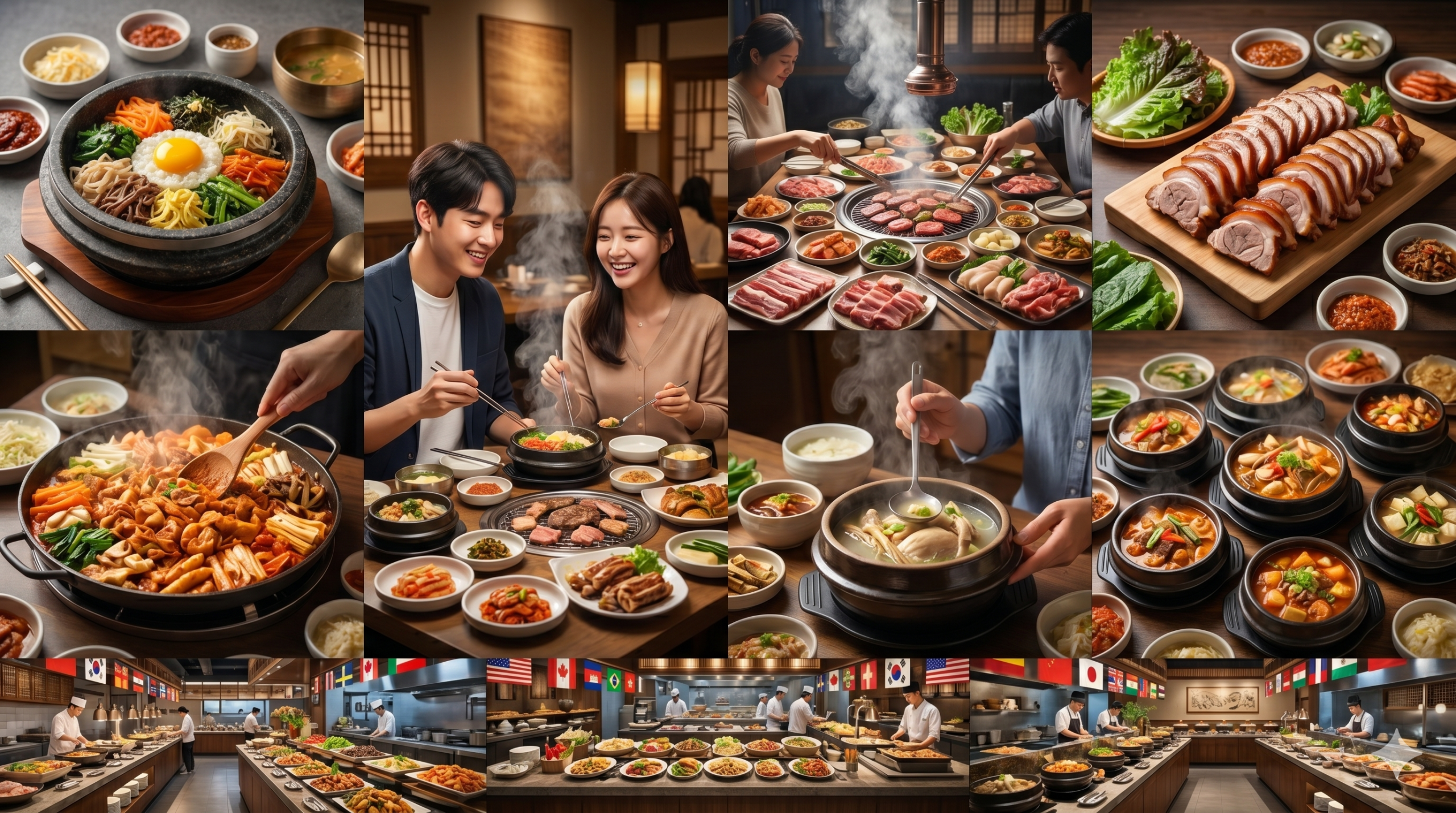
Yes in Seoul (Itaewon has halal restaurants and mosques), moderate in Busan, harder in small towns. Our group tours arrange Muslim-friendly meals on request — tell us when booking.
How cold is Korea really?
Spring/autumn: light jacket weather (5–20°C). Winter: proper sub-zero cold (−10°C and below) — thermals essential. Malaysians consistently underestimate winter; pack one more layer than you think you need.
How many days are enough?
8–9 days covers Seoul + Busan comfortably. 6 days works for Seoul-only with Nami Island and Everland. Anything under 5 days feels rushed once flights are factored in.
The Bottom Line
For the classic Korea holiday — blossoms or foliage, comfortable weather, great photos — book autumn (October–November) or spring (early April). For snow on a budget, pick winter; for the lowest price, pick summer. Whatever season you choose, travelling with an experienced group tour means the KTX tickets, ski bookings, seasonal festivals and Muslim-friendly meals are all sorted before you fly.
Ready to go? Browse our Korean group tour departures, read about Hello Holidays (20+ years, Plaza Mont Kiara, KL), or request a quote — tell us your month and group size and we'll match you to the right departure.