Cheapest Time to Travel from Malaysia: Shoulder-Season Calendar for Companies (2026–2027)

The cheapest time to travel from Malaysia is the shoulder season — the weeks just before or after each destination's peak — when group airfares and hotels drop 15–30% while the experience stays 90% the same. For companies planning incentive trips, shifting departure by even two weeks is the easiest five-figure saving available. This calendar maps the cheap windows for Korea, Japan, China, Europe and domestic trips, plus the Malaysian calendar traps (school holidays, CNY, puasa month effects) that silently inflate quotes.
How Shoulder Pricing Works
Airlines and hotels price on demand curves, not costs. A Seoul hotel room costs the same to service in October as in September — but October demand (foliage) lets them charge 30% more. Your job: travel in September's last two weeks or November's second half, when foliage is still good (early) or crowds have thinned (late). Same trip, lower curve position. This logic repeats for every destination below — and it's the core of travelling smart — see why group incentive trips are worth it.
Korea: Fly Early Sept or Late Nov
- Peak (avoid if saving): cherry blossom (first 2 weeks April), foliage (last 2 weeks October–early November).
- Shoulder sweet spots: mid-September (late summer deals, still warm), late November (first snow dustings, Christmas markets starting, low prices).
- Cheapest: June–August monsoon season — 20–25% below peak, with indoor-heavy itineraries (Lotte World, COEX, KTX day trips). Full timing detail: best time to visit Korea.
Japan: Early Dec or Late Feb
- Peak: cherry blossom (late Mar–early Apr), autumn colours (Nov), Christmas/New Year, Golden Week (early May).
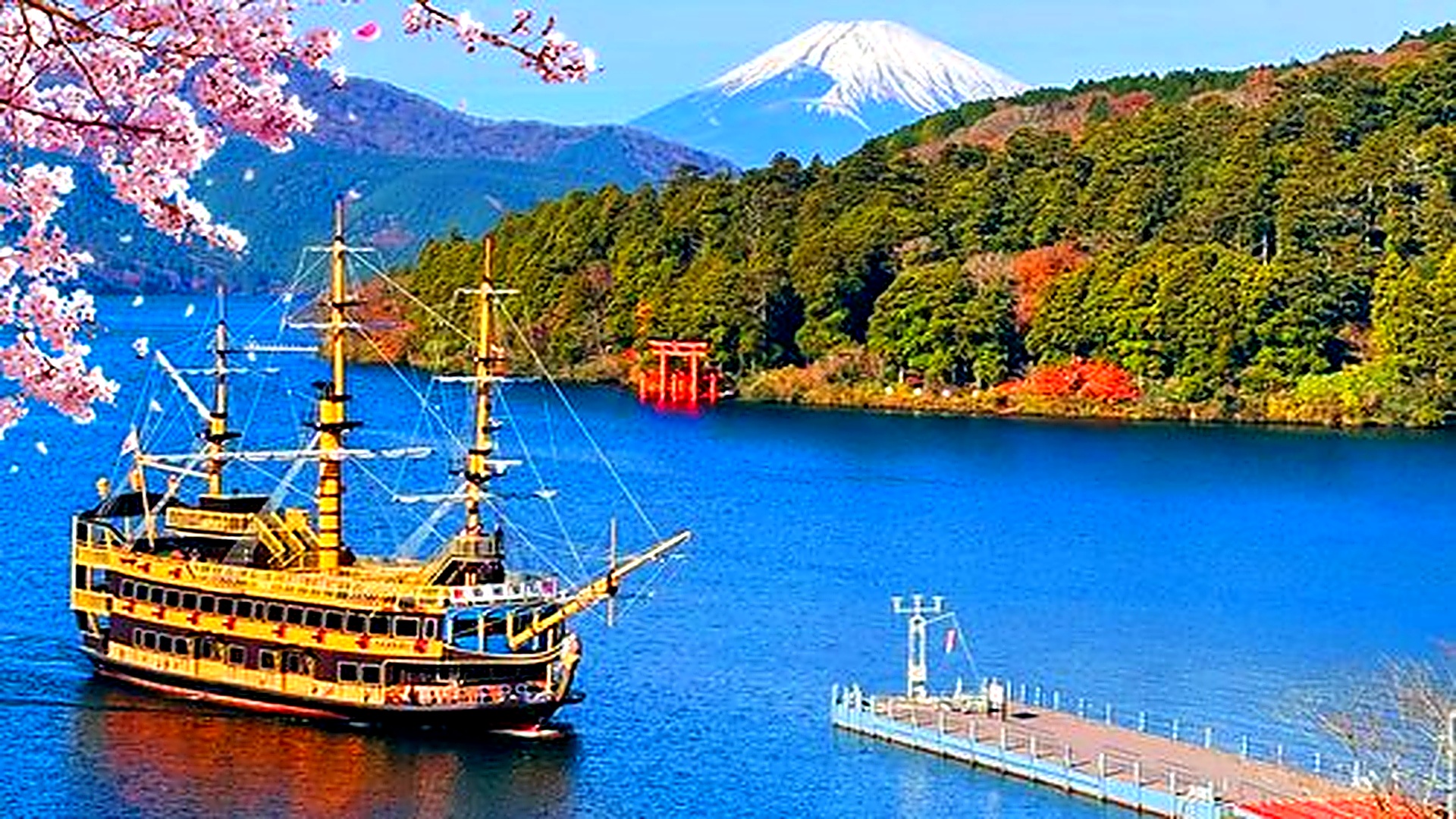
- Shoulder sweet spots: early December (illuminations ON, snow in Hokkaido, pre-Christmas fares), late February–March (snow remains up north, early plum blossoms, lowest winter fares).
- Cheapest: June (rainy season) — but heavy rain can disrupt outdoor plans for groups; prefer December/February shoulders. See Japan winter tours.
China: April–May and Sept–Nov Minus Golden Week
- Peak: Chinese New Year, Labour Day week (May 1), National Day Golden Week (first week Oct).
- Shoulder sweet spots: mid-April–May (spring flowers, mild), September (after summer heat, before Golden Week), late October–November (autumn colours, excellent value).
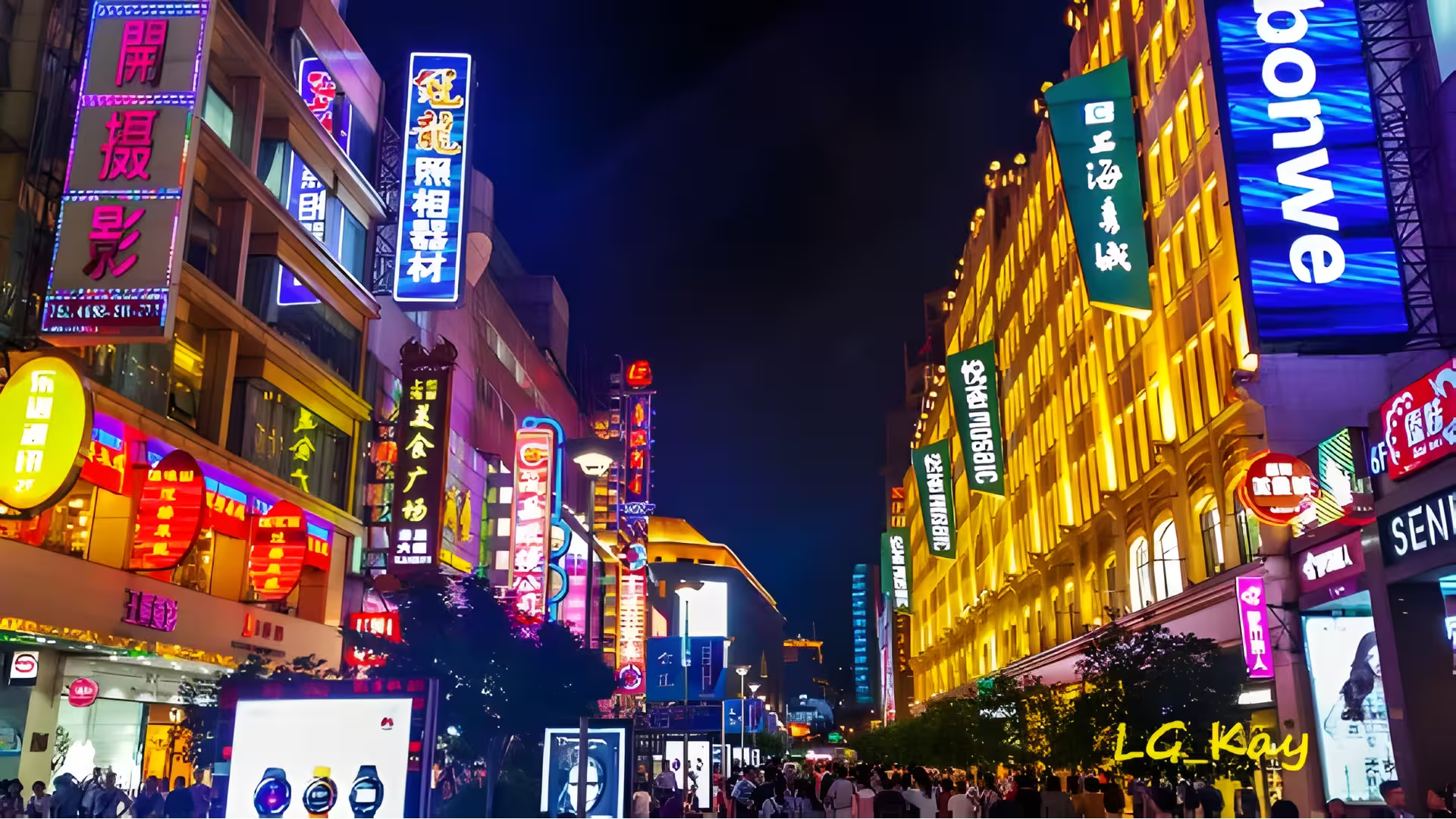
- Trap: quoting a trip inside Golden Week doubles domestic-flight and hotel costs within China. Always check the China holiday calendar before fixing dates. Our Shanghai itinerary runs best in these windows.
Europe & Aurora: The Edges of Season
- Europe summer (Jun–Aug): peak. Shoulder: late April–May and September — mild weather, 15–20% cheaper, fewer crowds at major sights.
- Murmansk aurora: December–February is peak darkness (and peak price). Late September–October and March give real aurora chances at lower cost with milder cold — ideal for budget-conscious incentive groups. See the aurora guide.
Domestic: Avoid School Holidays & Long Weekends
Domestic pricing spikes on Malaysian school holidays, Merdeka/Deepavali/Christmas weekends and the year-end monsoon-surge to Langkawi. Cheapest domestic windows: mid-January–February (post-CNY lull), Ramadan month (hotels discount leisure travel — though company trips during puasa need schedule sensitivity), and June weekdays. For team trips, see team building near KL.
Malaysian Calendar Traps That Inflate Quotes
- Chinese New Year (±2 weeks): flights and hotels region-wide spike; staff availability drops.
- Puasa/Raya month: daytime activity slows; evening schedules compress — plan shorter days or shift the trip.
- School holidays (Mar/Jun/Aug/Dec): family-travel demand lifts domestic and Bangkok/Bali pricing.
- Year-end (mid-Dec–Jan 1): the most expensive fortnight of the year everywhere. A trip on Dec 5 vs Dec 22 can differ 30%+.
How to Use This Calendar in Your Proposal
Pick your destination's shoulder window, get the quote, then present peak-vs-shoulder side by side in your proposal — "same Korea trip, RM1,100 less per pax by travelling 3 weeks earlier" is the sentence that gets budgets approved. Then lock it with an early deposit before the window fills: shoulders are cheap because few book them, and group blocks are limited.
FAQ
Is shoulder season worse experience-wise?
Marginally and sometimes better: thinner crowds, attentive service, staff not burnt out from peak. The main trade-off is specific phenomena (peak foliage week, full snow cover) — decide if those matter to your group.
How far ahead to book shoulder departures?
2–4 months for Asia, 4–6 for Japan peak-adjacent and Europe. Shoulders have fewer group blocks, so they can sell out even at lower demand.
Does this apply to 100+ pax groups?
Even more so — large groups feel peak surcharges hardest (hotels yield-manage big blocks aggressively). Shoulder dates are a large group's best friend.